SPCA vets say 17 cats living rescued from horrifying conditions in Chilliwack house the ‘worse case they had ever experienced’
Three dead cats and a dead puppy also found in ‘one of the most difficult and troubling cases in recent memory’
The BC SPCA is recommending animal cruelty charges in what veterinarians at a society-run animal centre called “the worst case they had ever experienced.”
Animal protection officers visited an undisclosed property in the Fraser Valley on Jan. 29, 2026, after the SPCA was alerted to cats living in “horrible conditions.”
What they discovered was 17 cats in distress, jammed into dog crates, a stench of ammonia so strong it could be smelled outside. Some of the crates had as many as eight cats in them, the floors completely covered in feces and urine, with the animals huddled together in a corner.
“It was so bad when we were removing the cats from the crates to place them in clean carriers, we observed urine dripping off their fur,” said Matt Affleck, BC SPCA’s Fraser Valley regional manager of animal cruelty. “When officers tried to move the crates, they appeared to be stuck to the floor by all the waste.”
As officers went through the home, it got worse.
Three dead cats were found in a urine- and feces-soaked bedroom where it appeared the cats were once housed. And inside the garage, they found a dead puppy in a padlocked crate.
“We didn’t really think it could get much worse, but this certainly was another moment of heartbreak for our animal protection officers. This really is one of the most difficult and troubling cases in recent memory.”
Who is responsible?
The BC SPCA intentionally only gives a vague location of their serious animal cruelty investigations, but Something Worth Reading has learned it is most likely a house on the corner of Spadina Avenue and Stanley Street. Neighbours reported the attendance of RCMP cruisers and three BC SPCA vans at 45495 Spadina Ave. on Jan. 29, 2026, from approximately 9 a.m. to 5 p.m.. That is the same day the BC SPCA reports the rescue of the 17 cats took place somewhere in the Fraser Valley.

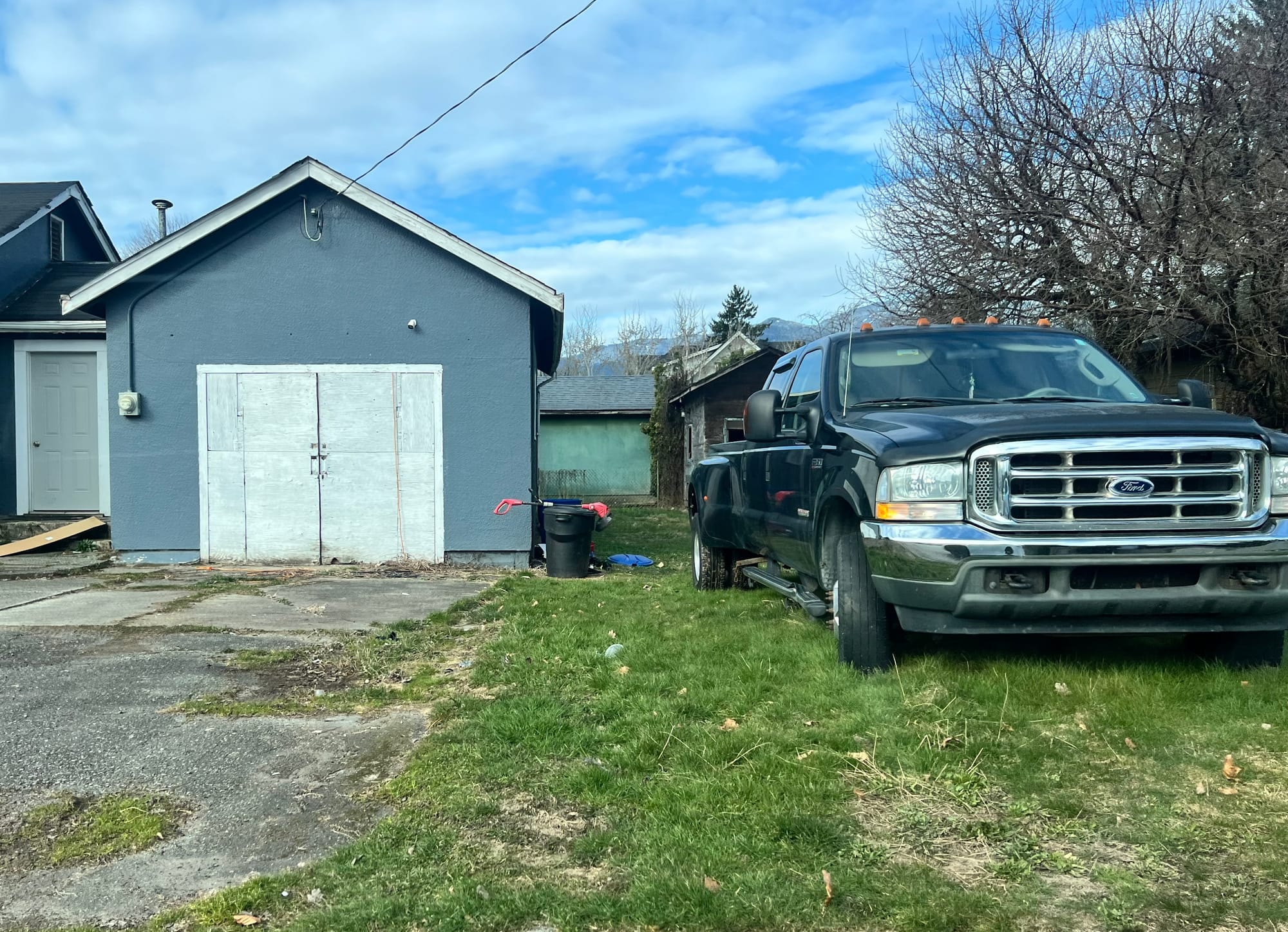
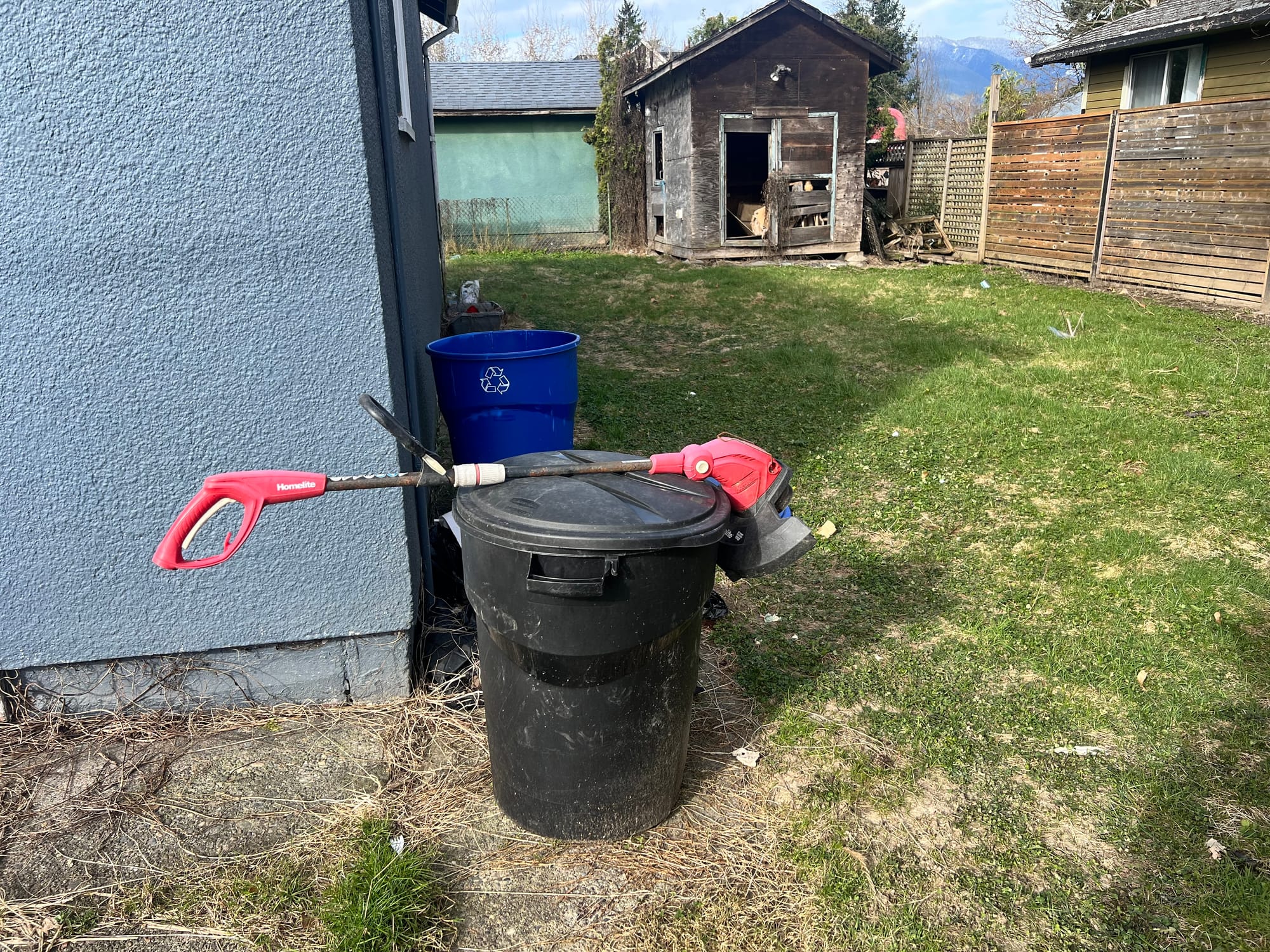
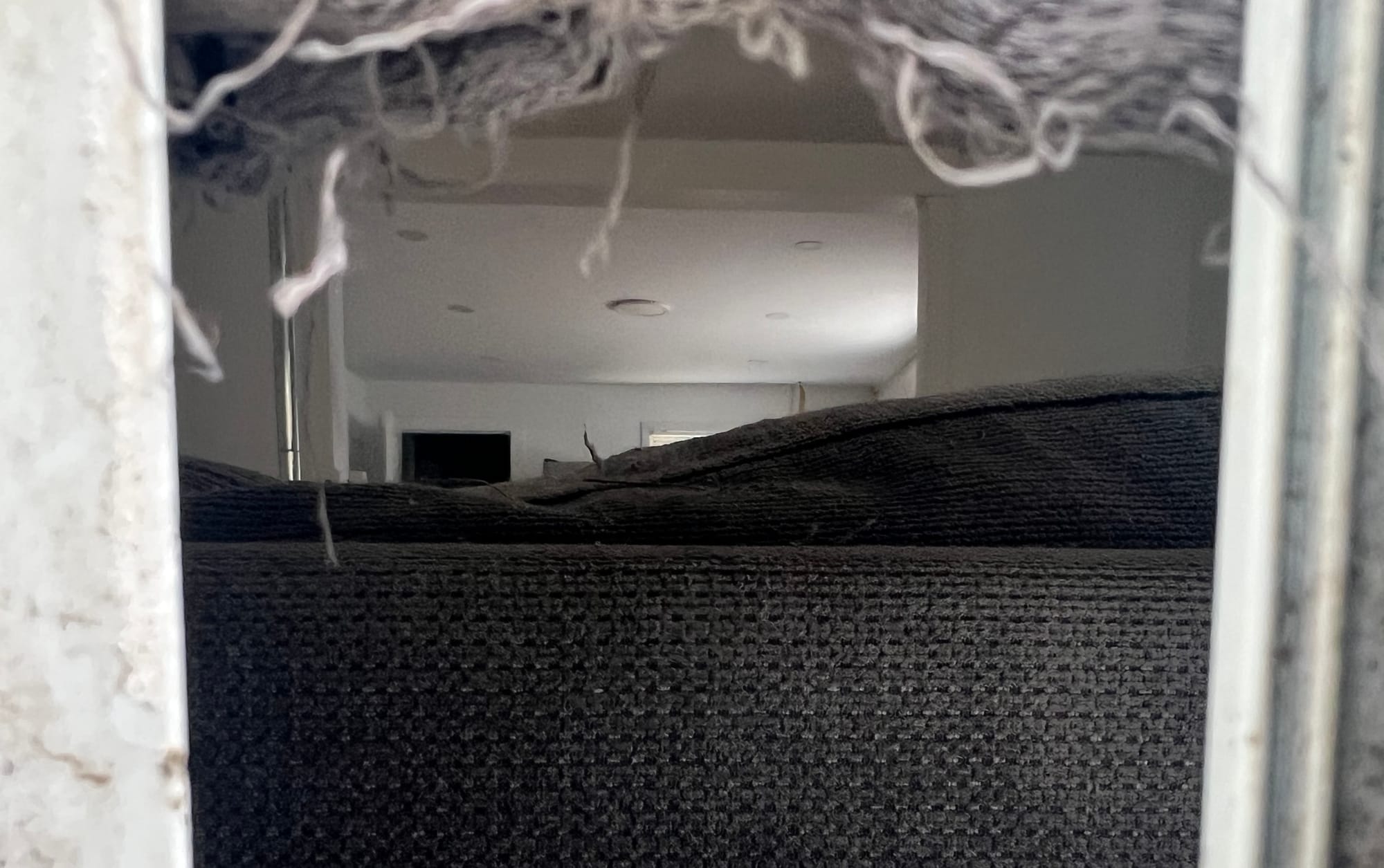
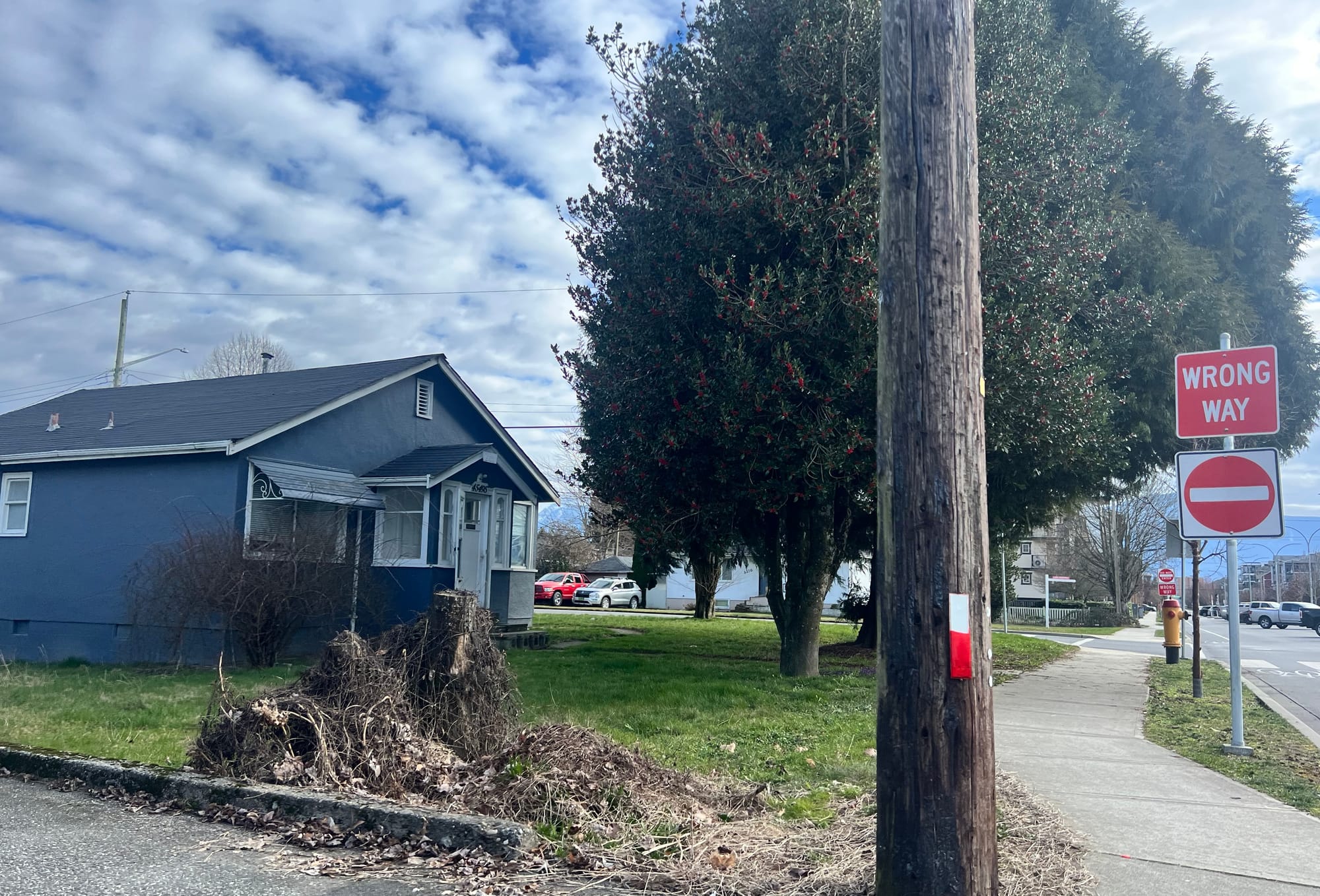
This seemingly vacant house at the corner of Spadina Avenue and Stanley Street in Chilliwack on Feb. 19, 2026, where there was an RCMP presence and BC SPCA vehicles on Jan. 29, 2026, the same day the BC SPCA say they rescued 17 cats from a property only identified as being somewhere in the Fraser Valley. (Paul Henderson photos)
The house appears to be vacant as of Feb. 19, and has been for some time, again according to neighbours. On a visit to the property Feb. 19 there was a Ford F350 dually pickup truck parked on the lawn next to the driveway with a bed full of full black garbage bags. Blinds were in disarray in some windows, the front screen door ajar, and while the temperature was below zero, several windows were open a few inches.
The owner of the property is a numbered shell company with an address at a residential property on 57 Avenue in Surrey, according to the BC Land Title and Survey Authority. No one answered or returned a call to a phone number that was, at least at one time, associated with the address. Whoever owns it, they are likely absentee landlords and may not directly responsible for the animals, although if tenants had abandoned the animals for a period of time the owner could be held responsible.
Asked to verify the property in question, and to get the SPCA investigation’s file number, BC SPCA communications officer Debra Walley declined to answer.
“Thanks for reaching out to the BC SPCA about this case,” Walley wrote “As this is an active and ongoing investigation, we are unable to comment further at this time.”
What could the charges be?
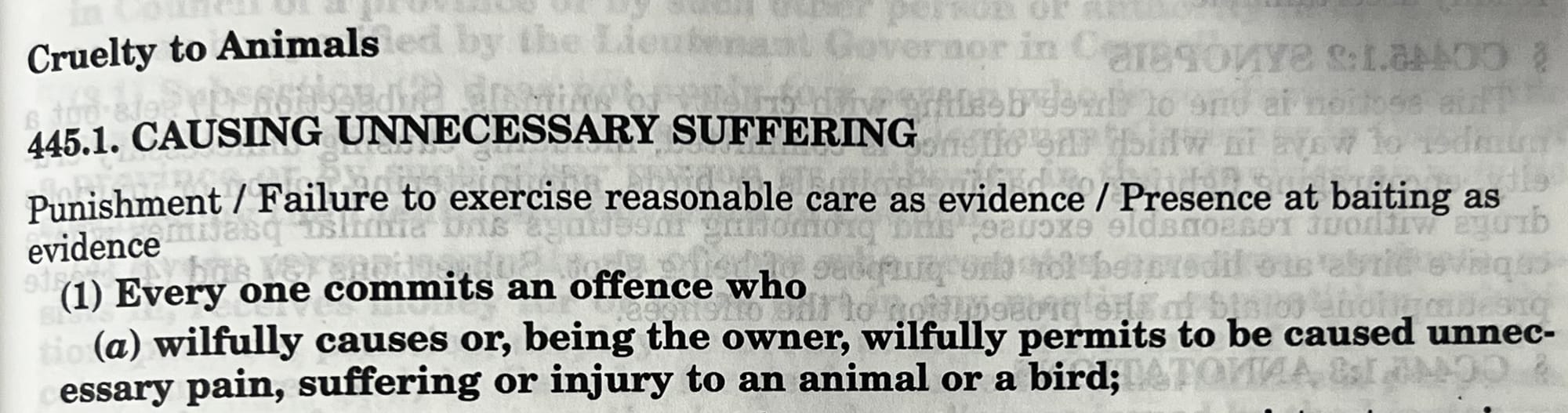
The most common charges for animal cruelty come under the Protection of Cruelty to Animals Act (PCAA), but criminal charges are also possible. Under the cruelty to animal section of the criminal code, Section 445.1(1)(a) addresses causing unnecessary suffering, specifically, an offence is committed by anyone who “wilfully causes or, being the owner, wilfully permits to be caused unnecessary pain, suffering or injury to an animal or bird.”
Asked in a follow-up if the BC SPCA would be seeking charges under the PCAA or the criminal code, Walley did not immediately respond.
Most survived
Affleck said that there was no food or water present so officers had no idea when they are last fed.
“One of the saddest parts of this investigation is simply how shut down these cats were from everything they had experienced and were living through,” he said, adding that, as cats do, they tried to vocalize but either were too weak to or knew they were being helped.
“I think they just were so traumatized they had no more fight left in them.”
All the cats were thin and dehydrated, and due to their condition were immediately brought to the nearest veterinary clinic. Once cleared for transportation, they were brought to a BC SPCA animal centre where a team of veterinarians were waiting to provide further medical care.
“This team cares for rescued cats frequently, but these poor cats were the worst case they had ever experienced.”
While most of the cats acted fearful at first, they quickly came around when they realized they were being fed consistently.
Three of the cats, a kitten and two adult cats, tested positive for feline distemper, a highly contagious viral disease. They were humanely euthanized to relieve their suffering.
The remainder of the cats were quarantined for two-weeks and monitored for symptoms. When they were cleared by the veterinarian, they were made available for adoption starting on Feb. 13. Most were adopted almost right away.
-30-
Want to support independent journalism?
Consider becoming a paid subscriber or make a one-time donation so I can continue this work.
Paul J. Henderson
pauljhenderson@gmail.com
facebook.com/PaulJHendersonJournalist
instagram.com/wordsarehard_pjh
x.com/PeeJayAitch
wordsarehard-pjh.bsky.social