Deceased 68-year-old woman found on remote forest service road near Chilliwack Lake
What are next steps for authorities when a body is found with no foul play suspected?
March 2, 2026
A 68-year-old woman was found dead Saturday afternoon on a remote forest service road near the Trans Canada Trail not far from Chilliwack Lake.
Chilliwack RCMP report that foul play is not suspected and that RCMP Air Services assisted officers in accessing the area on the Pale Creek Forest Service Road at the end of the Chilliwack River Valley.
The area is remote, but Paleface Mountain looms over Chilliwack Lake adjacent to which is a portion of the Trans Canada Trail where it veers away from the lake, if one were travelling eastbound. The trail, which is the Pale Creek Forest Service Road at this point, traverses the mountains joining up with the Silverhope Creek Trail, which goes all the way to Hope.
The report came in to Chilliwack RCMP at 4:17 p.m. on Saturday (Feb. 28, 2026) that possible human remains were found. After Mounties located the body, Chilliwack Search and Rescue attended to assist with safely recovering the remains.
The woman’s vehicle was found nearby.
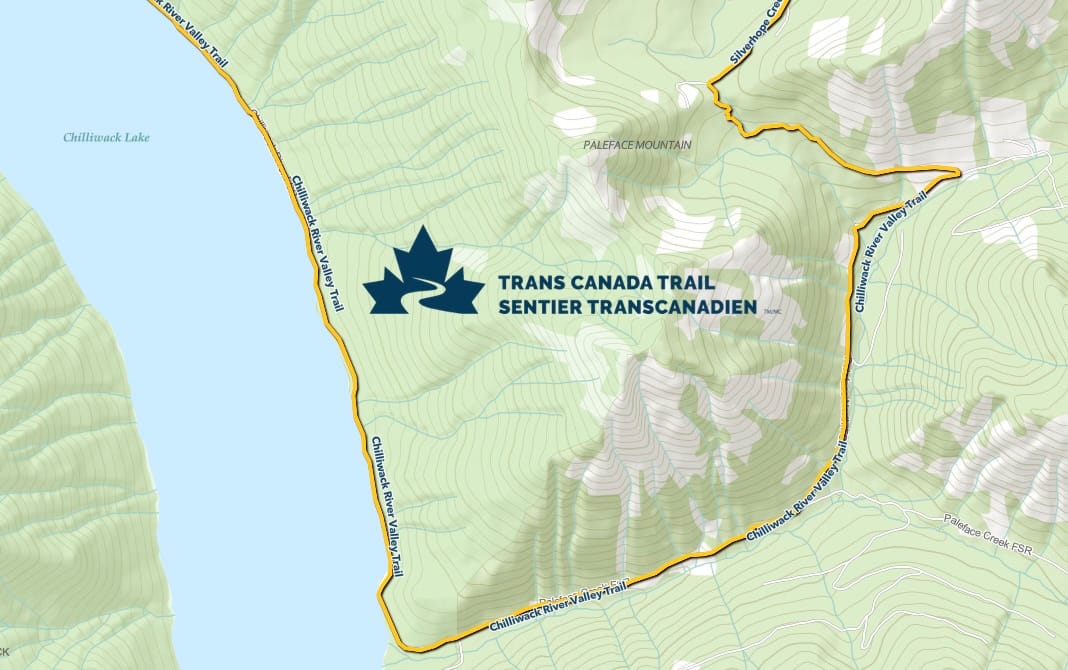
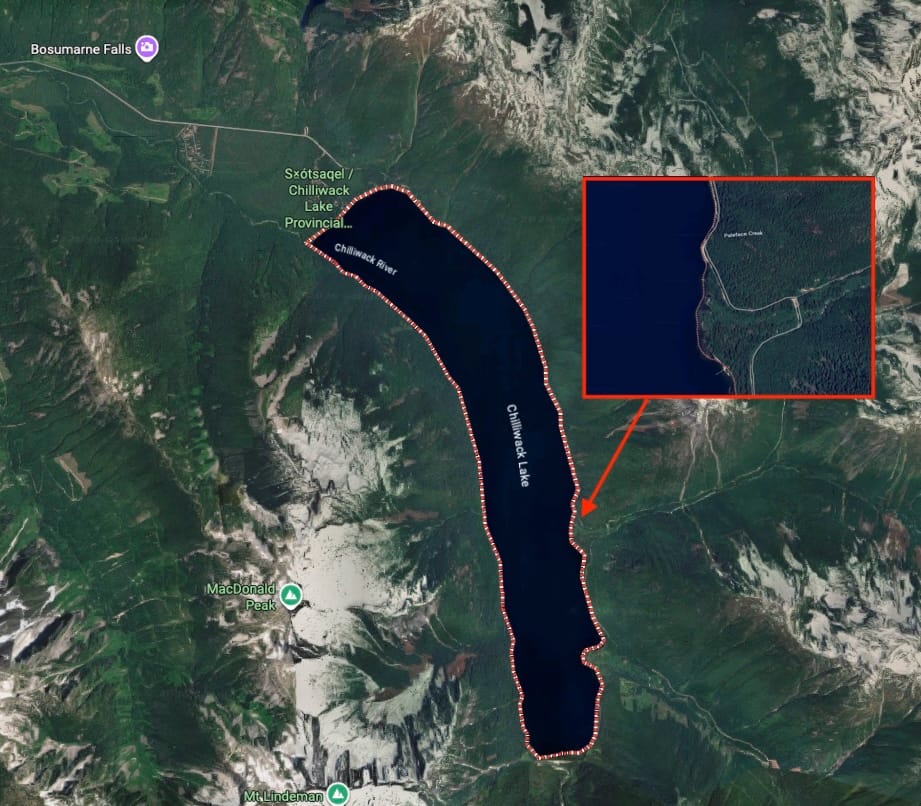
Images TCTrail.ca, GoogleMaps.
What happens when a person is found deceased in the B.C. wilderness?
The first thing officers would have done would be to secure the scene and document it with photos, measurements, evidence collection, and note the body’s condition and position relative to the vehicle.
Personal effects would be gathered to help with identification.
Since foul play was not suspected, the BC Coroners Services (BCCS) takes the lead in the investigation. And since the location was remote, the remains would be transported to a BCCS facility rather than them attending.
An autopsy would be conducted to determine cause and manner of death. Assuming a wallet or personal items on scene made it possible to confirm her identity, this would be done and next of kin would be notified. If it was more difficult, the coroner would need to ID the person using dental records and/or fingerprints and/or DNA if needed.
The investigation would involve looking into the woman's last known movements, check if she was a missing person, examine the vehicle’s mechanical condition, mileage, and consider environmental factors, such as weather, temperature, terrain, that could explain how she died. Her medical history would be checked in case that was relevant, a cardiac event for example.
Ultimately, the coroner will issue a finding on the cause of death (e.g. trauma or medical emergency) and the manner of death (natural, accidental, or undetermined).
In B.C., the coroner is legally required to investigate any sudden or unexpected death.
-30-
Want to support independent journalism?
Consider becoming a paid subscriber or make a one-time donation so I can continue this work.
Paul J. Henderson
pauljhenderson@gmail.com
facebook.com/PaulJHendersonJournalist
instagram.com/wordsarehard_pjh
x.com/PeeJayAitch
wordsarehard-pjh.bsky.social